
Benefits of Working from Home (for Employees)
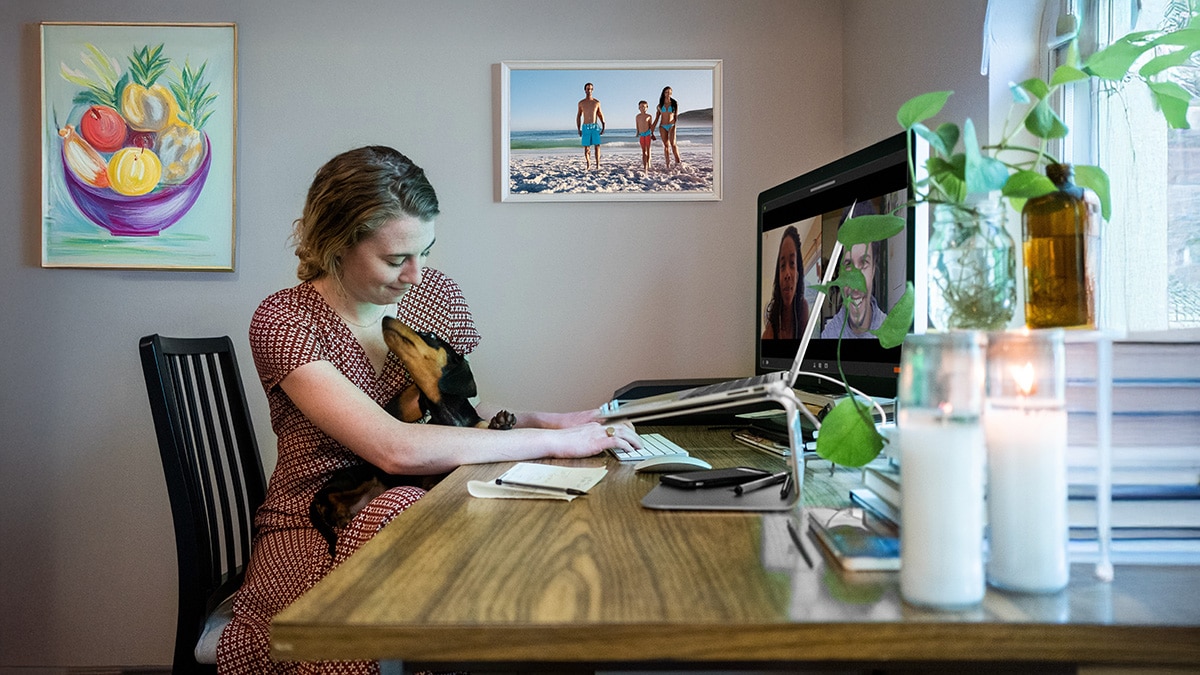
Working from home lowers stress, saves time, and improves focus for many employees. It an make full-time work much easier to sustain by reducing daily friction and giving more control over energy and attention.
Some of these advantages also align with what employers care about, particularly retention, sick leave, and output. Others mainly improve day-to-day quality of life for employees themselves.
Read on to discover the practical benefits of working from home, the main limits to watch for, and which points matter most when flexibility needs to be discussed at work.
Physical health
Commuting places steady strain on the body. Long periods of sitting are common, and noise or crowding add to fatigue. Rigid start times often mean people begin the day already tired.
Working from home removes much of this burden. Employees can set up their workspace properly and make adjustments as needed. Posture and lighting are easier to control, and peak-hour travel disappears.
Over time, this can reduce physical exhaustion and stress-related symptoms. A calmer start to the day also helps prevent fatigue from building up across the working week.
Mental health and focus
Working from home is associated with lower stress, higher job satisfaction, fewer sick days, and stable or improved performance.
This pattern has been measured directly rather than inferred.
Working from home also supports sustained focus. Open-plan offices interrupt attention and force frequent context switching. Home environments are quieter and more predictable, which matters for work that involves thinking, writing, analysis, or careful decisions.
Study evidence from a Chinese experiment
Researchers associated with Stanford University ran a nine-month randomized controlled trial with 249 employees at a large Chinese travel company. Workers were randomly assigned to work from home or in the office, while keeping identical roles, pay, and performance measures.
Employees working from home reported higher job satisfaction and lower stress. Sick days fell by 13 percent, and performance improved. These gains did not come from lighter workloads, but from greater control over environment and schedule.
Source: Does Working From Home Work? Evidence from a Chinese Experiment
Time and energy
Commuting often consumes one to three hours each day. Working from home gives that time back, which changes how the day feels rather than simply freeing up minutes.
Many people use the extra time to sleep longer or recover properly. Others use it to exercise or manage family responsibilities without rushing. The common effect is fewer compressed mornings and fewer exhausted evenings.
Sleep and recovery directly affect judgement and emotional stability. When people are less depleted, they cope better with pressure and make fewer errors.
Office-based work also drains energy in less obvious ways. Meetings interrupt momentum, unplanned conversations break focus, and coordination delays stretch simple tasks across the day.
Remote work makes it easier to organise tasks around natural energy levels. When work is done at the right time rather than the next available slot, effective output can rise without extending the working day.
Relationships and family life
Working from home allows work to sit alongside life instead of constantly competing with it.
Being present for school drop-offs becomes possible, and short check-ins during the day stop feeling disruptive. Shared meals can happen without taking leave.
Professional responsibilities are still met. The difference is fewer forced trade-offs that create ongoing stress or resentment.
This reduces role conflict. Many employees feel pulled between work and family every day. Working from home softens that tension.
Benefits employers usually accept
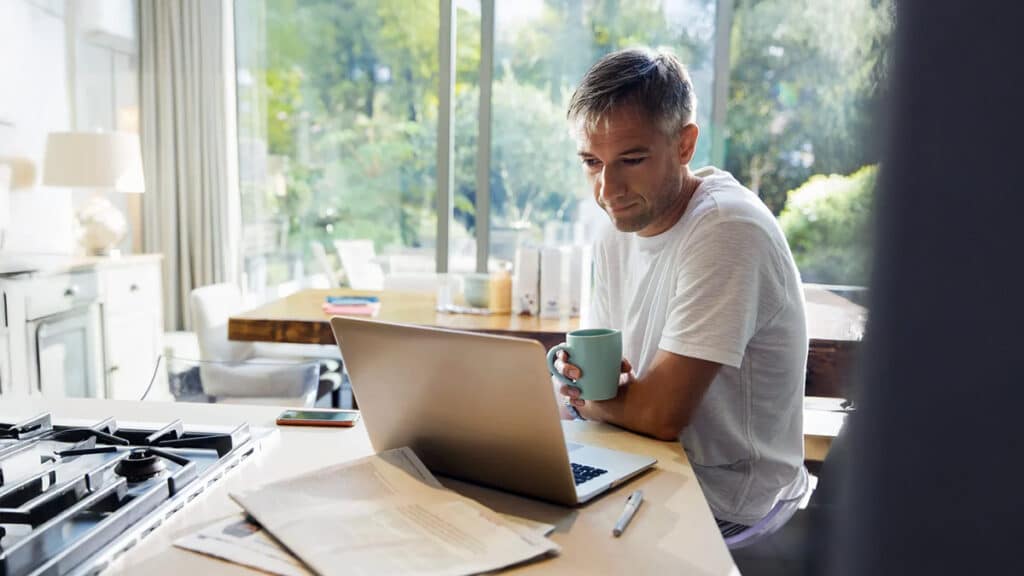
Working from home does not reduce output overall, and in many cases it improves it.
Large-scale organisational data shows that productivity is generally maintained, focus time increases, and performance differences depend more on role than location.
Retention also improves when flexibility exists. Employees who value autonomy are less likely to leave, which reduces hiring and training costs. Sick leave often declines as minor illness no longer requires a full absence.
Research study from Microsoft
Research by Microsoft analysed anonymised data from tens of thousands of employees. It examined meeting load, collaboration patterns, and focus time before and after the shift to remote and hybrid work.
Focus time increased for many knowledge workers, while overall productivity remained stable. Where differences appeared, they were driven by job type rather than by where work was done.
Source: The New Future of Work: Research from Microsoft on Hybrid and Remote Work
Benefits that mainly matter to employees
Some advantages are less visible to management but matter every day.
Working from home reduces social friction. Office politics fade into the background, and constant observation drops away.
Many employees also report a stronger sense of dignity. Being trusted to manage time and output reinforces competence and replaces surveillance with responsibility.
Illusory or overstated gains
Not every commonly cited benefit of working from home holds up.
Physical activity is a common example. Commuting stress disappears, but automatic movement disappears as well. Walking to transport and moving around a workplace often stop entirely.
Unless movement is replaced deliberately, daily activity falls and sedentary time rises. Any physical health benefit depends on conscious replacement, not location alone.
Productivity gains are also not universal. Some people work better at home, especially on focused tasks. Others struggle without structure or separation.
Work–life balance is frequently overstated. For some, boundaries improve. For others, work spreads into evenings and weekends.
Comfort is also mistaken for wellbeing. Comfortable surroundings feel good, but getting things done matters more, at least for your boss.
About the author
Lorraine Pirihi is an operations manager based in Victoria, Australia, with extensive experience working from home while running and managing businesses. She has firsthand experience balancing work demands, family life, fitness, and international commitments in a flexible work setting.
Her perspective on working from home comes from daily practice, not theory, and reflects what flexibility actually allows employees to do when they control their time and workload.
Related: How to Be More Productive at Work
