
Top 20 Communication Skills Examples for Students
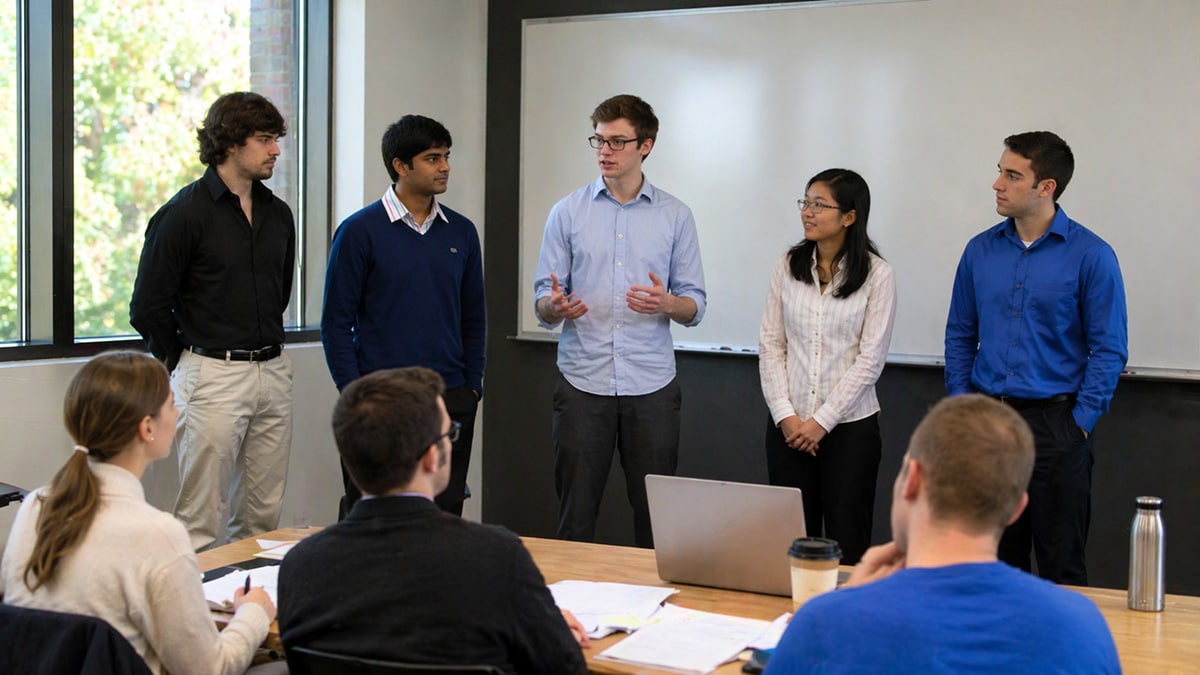
Looking for communication skills examples you can use as a student? Start with abilities you can demonstrate through completed actions. Don’t just assert that you’re a good communicator.
- Examples of activities that provide evidence of effective communication include negotiating group project roles, coordinating group work, and requesting and applying feedback from a mentor.
- As a student, you should also demonstrate good communication skills directly to people you want to impress, such as by writing clearly and preparing well for presentations, meetings, or interviews.
Here are 20 strong communication skills examples students commonly use in school work, resumes, job applications, scholarship claims, and part-time job applications.
1. Verbal Communication
The ability to express ideas clearly through speech in discussions and meetings.
Examples:
– Led a group discussion to define project tasks and deadlines
– Explained assignment requirements to team members to align understanding
2. Written Communication
The ability to communicate ideas clearly in writing across academic and professional contexts.
Examples:
– Produced well-received essays with stated arguments and supporting evidence
– Wrote concise emails to teachers or supervisors to confirm expectations
3. Non-Verbal Communication
The ability to use body language and tone to support spoken communication.
Examples:
– Delivered presentations using a controlled pace and consistent eye contact
– Adjusted tone and posture when presenting to maintain audience attention
4. Visual Communication
The ability to present information using visuals to improve understanding.
Examples:
– Designed presentation slides that summarised key points for group delivery
– Created diagrams to explain processes in assignments
5. Active Listening
The ability to accurately receive and act on information from others.
Examples:
– Followed multi-step instructions to complete tasks without clarification errors
– Took notes during discussions and used them to guide group work
6. Interpersonal Communication
The ability to communicate effectively with individuals and teams.
Examples:
– Coordinated with group members to divide tasks and meet deadlines
– Maintained regular communication to track progress in team projects
7. Empathy in Communication
The ability to recognise others’ perspectives and adjust communication accordingly.
Examples:
– Adjusted communication style when working with team members at different skill levels
– Supported group members by clarifying tasks and reducing confusion
8. Giving and Receiving Feedback
The ability to provide constructive input and apply feedback to improve outcomes.
Examples:
– Provided written feedback on draft assignments within a peer review process
– Requested feedback from teachers and applied it to improve subsequent work
9. Clarity and Conciseness
The ability to communicate ideas directly without unnecessary detail.
Examples:
– Submitted concise written responses that addressed marking criteria directly
– Summarised key points from readings into intuitive notes for revision
10. Explaining Complex Ideas Simply
The ability to break down complex concepts into understandable terms.
Examples:
– Explained technical concepts to classmates during group study sessions
– Simplified subject material into step-by-step explanations for others
11. Asking Good Questions
The ability to ask targeted questions that improve understanding and outcomes.
Examples:
– Asked specific questions to clarify assignment scope and expectations
– Used follow-up questions in group work to refine project direction
12. Audience Awareness
The ability to adjust communication based on the audience and context.
Examples:
– Adapted written tone when communicating with teachers versus peers
– Modified presentation content based on audience knowledge level
13. Presentation Skills
The ability to organise and deliver information to a group.
Examples:
– Structured and delivered presentations with defined sections and timing
– Collaborated with group members to deliver coordinated presentations
14. Academic Writing
The ability to write formal, structured content using evidence.
Examples:
– Produced essays with referenced sources and structured arguments
– Completed reports using standard academic formatting and citation methods
15. Group Discussion Skills
The ability to contribute productively in group conversations.
Examples:
– Contributed ideas during group discussions to shape project direction
– Helped keep discussions on topic and aligned with objectives
16. Note-Taking and Information Processing
The ability to capture and organise information from spoken and written sources.
Examples:
– Produced tight lecture notes for use in revision and group study
– Summarised key information from readings into organised study materials
17. Persuasive Communication
The ability to influence decisions using reasoning and evidence.
Examples:
– Presented arguments in assignments that supported a well-defined position
– Persuaded group members to adopt a practical approach to a project task
18. Conflict Resolution
The ability to manage disagreements and reach workable outcomes.
Examples:
– Mediated differing views in group work to reach agreement on direction
– Negotiated task allocation to resolve workload imbalance
19. Public Speaking
The ability to present information to an audience in a structured format.
Examples:
– Delivered assessed presentations to class groups on assigned topics
– Presented findings from group projects to peers and instructors
20. Facilitating Group Work
The ability to guide group communication and keep work progressing.
Examples:
– Coordinated group timelines and tracked task completion
– Led meetings to review progress and address issues
Methodology
Communication is listed at number 1 in our list of top 20 talent examples for students.
The good communication skills list was developed in collaboration with Dr Andrew Lancaster, drawing on long-term analysis of student performance, university expectations, and early-career employability across Australia.
The examples were chosen by prioritising what students can reasonably demonstrate. They are also actions that schools and employers recognise, and which transfer across different settings.
About the Contributor
Dr Andrew Lancaster is an Australian education analyst and the founder of Uni Reviews, an independent platform that helps students compare universities, discuss courses, and make informed study decisions.
His work examines how students communicate in project work, present information, and demonstrate job readiness.
